Local Guides · 5 min read
Roofing in Troy vs Dayton: Why Location Changes the Job
Published
We work from Bellefontaine to Brookville, and the right approach genuinely differs by community. Here's a sampling of why.
Housing stock
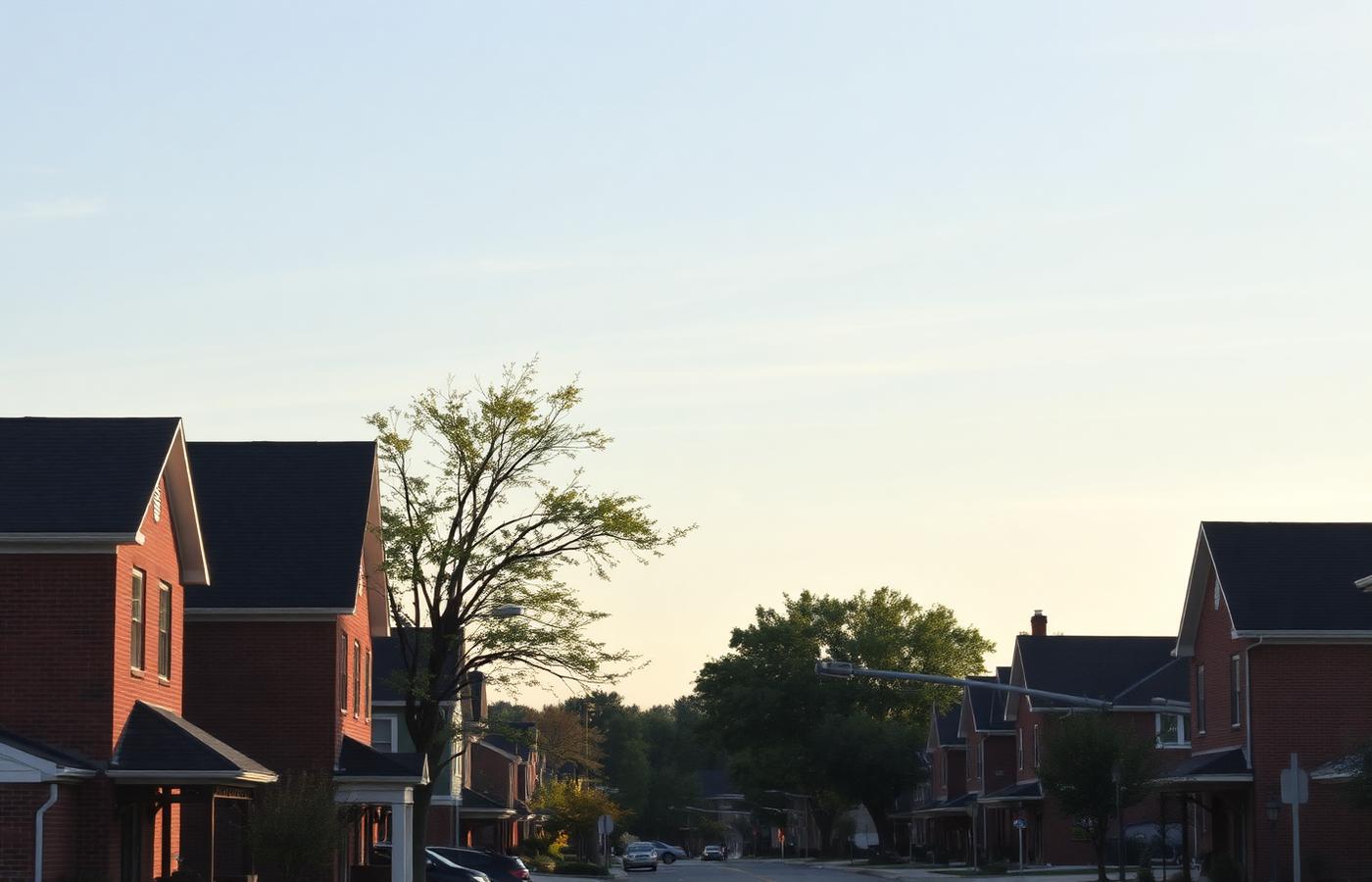
Huber Heights is thousands of near-identical brick ranches with predictable ventilation shortfalls. Dayton's historic districts include slate, tile, and complex Victorian roof geometry. Troy sits in between, with everything from 1890s downtown homes to 2020s subdivisions.
Climate variation
Bellefontaine, at Ohio's highest elevation, holds snow far longer than Brookville does and needs more aggressive ice protection. The Great Miami River corridor through Piqua and Troy holds humidity that drives algae growth on north slopes.
Storm exposure
Darke and Clark counties take the most frequent damaging hail. Montgomery County's flat western edge takes the most straight-line wind. That difference alone changes whether we recommend impact-resistant shingles or enhanced wind detailing.
Code and review
Historic districts in Troy, Tipp City, Springfield, and Urbana add review steps. Township addresses under county jurisdiction have different permitting than incorporated cities. Local knowledge shortens all of it.
If any of this applies to your own home, our roof replacement crews handle it every week, and you can see how we work in your area on our Troy, Ohio roofing page. Inspections and written estimates are free either way — call 937-749-7767.