Maintenance · 6 min read
Attic Ventilation: The Most Overlooked Part of Your Roof
Published
If we could fix one thing on Miami Valley homes, it would be attic ventilation. It's invisible, it's cheap relative to a roof, and it quietly determines whether your shingles reach their rated life.
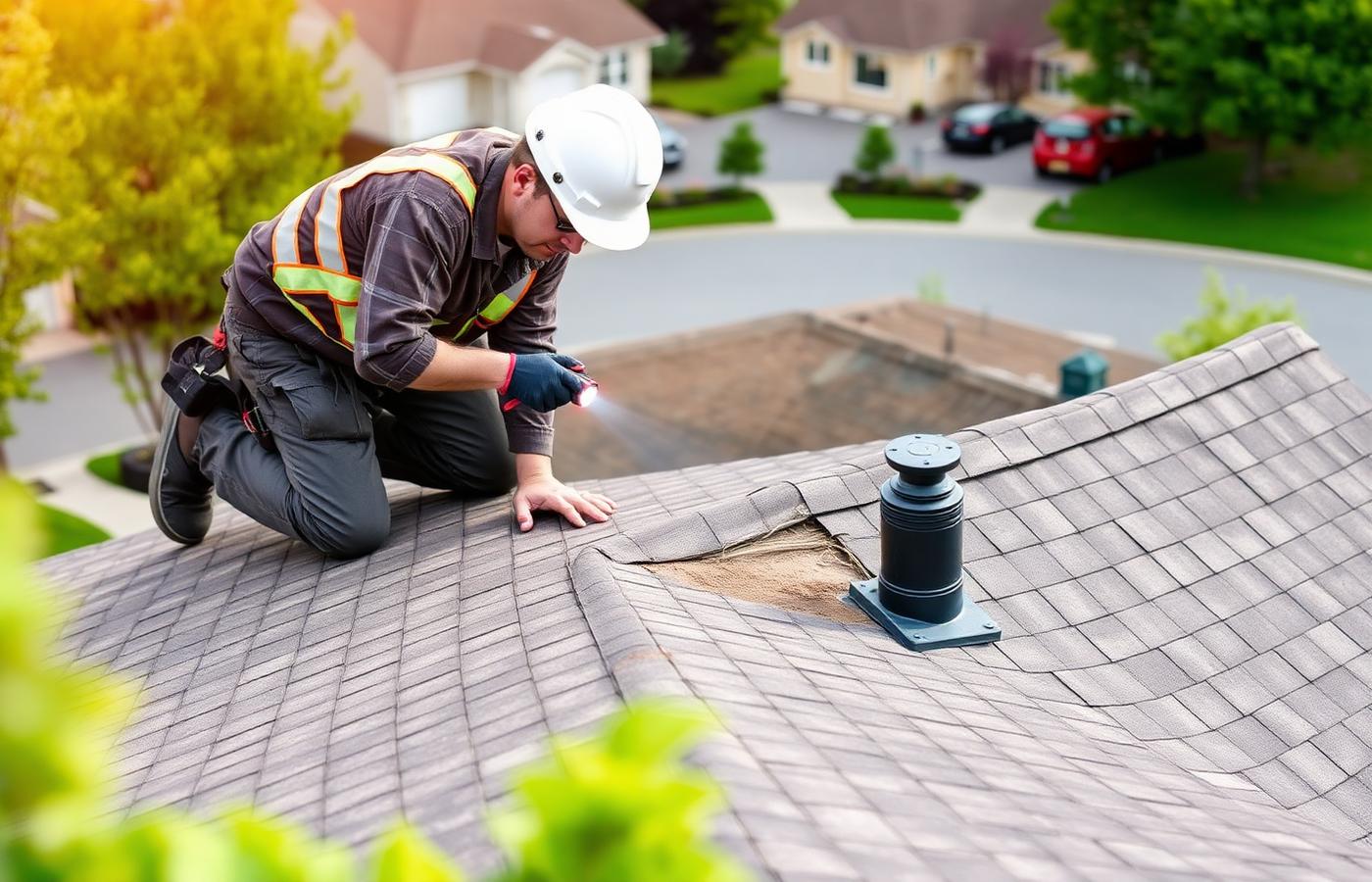
How it's supposed to work
Cool air enters at the soffits, rises across the underside of the deck, and exits at the ridge. That continuous flow removes summer heat and winter moisture. Code targets roughly one square foot of net free ventilating area per 150 square feet of attic floor, split evenly between intake and exhaust.
Where it goes wrong
Blown-in insulation pushed into the eaves blocks intake. Homeowners add ridge vent without adding soffit vent, so the ridge pulls air from the house instead of the eaves. Bathroom fans vent into the attic instead of through the roof, dumping gallons of moisture up there every week.
Signs of a ventilation problem
Ice dams in winter, a scorching attic in summer, rusty nail tips, frost on the underside of the deck in January, and shingles that curl years ahead of schedule.
The fix
Usually inexpensive: add or unblock soffit vents, install baffles, ensure ridge vent is continuous and actually cut open, and duct bath fans outside. Under a thousand dollars in most cases, and it can add a decade to a roof.
If any of this applies to your own home, our asphalt shingle roofing crews handle it every week, and you can see how we work in your area on our Troy, Ohio roofing page. Inspections and written estimates are free either way — call 937-749-7767.